All Categories
Featured


Essential Final Expense and Burial Insurance for Seniors
Table of Contents
Nearly 24 million Americans get health insurance through the ACA federal and state marketplaces. About 154 million working-age adults and their households get protection through the office, which stays the backbone of the nation's health insurance system. KFF reported trends in employer medical insurance benefits based upon a survey of 1,862 nonfederal public and personal employers.
The 6% increase in household health insurance this year is somewhat less than the 7% hikes in 2023 and 2024. Over the previous five years, the cost tag for a household medical insurance plan leapt by 26%. Employers mentioned prescription drug spending as one factor driving insurance expenses higher in the last few years.
About 43% of employers with 5,000 or more employees covered glucagon-like peptide 1, or GLP-1, medications for weight loss. And many of those employers said covering these weight-loss medications had a "substantial" influence on the medical insurance plan prescription drug costs. Smaller sized business were less likely to cover these weight-loss medications, the study stated.
Insurance in Fullerton CA
In addition to prescription drug spending, business with 200 or more employees mentioned other elements behind greater insurance costs, which increase when investing on healthcare increases. The survey said 30% of employers named chronic illness, 26% pointed out greater usage of services and 22% said healthcare facility prices sped up the expense of medical insurance.
Insurance in Fullerton CAThe average deductible was $1,886, which means customers must pay that much before the majority of protection kicks in. Deductibles have actually leapt 17% given that 2020, the survey stated. Small business are much more most likely to charge a greater deductible. The typical deductible at business with less than 200 employees was $2,631 almost $1,000 more than what bigger companies charged.
Comparing HMO Vs PPO Health Insurance
About two in 3 business require employees make a copayment when checking out a primary-care doctor. The typical copay was $27 for a medical care physician and $45 for an expert. And about 1 in 5 companies needed workers to pay a percentage of the bill. Rae stated there is a "incredible quantity of variation across employers" so employees may see strategies that are far different from the averages spelled out in KFF's survey.
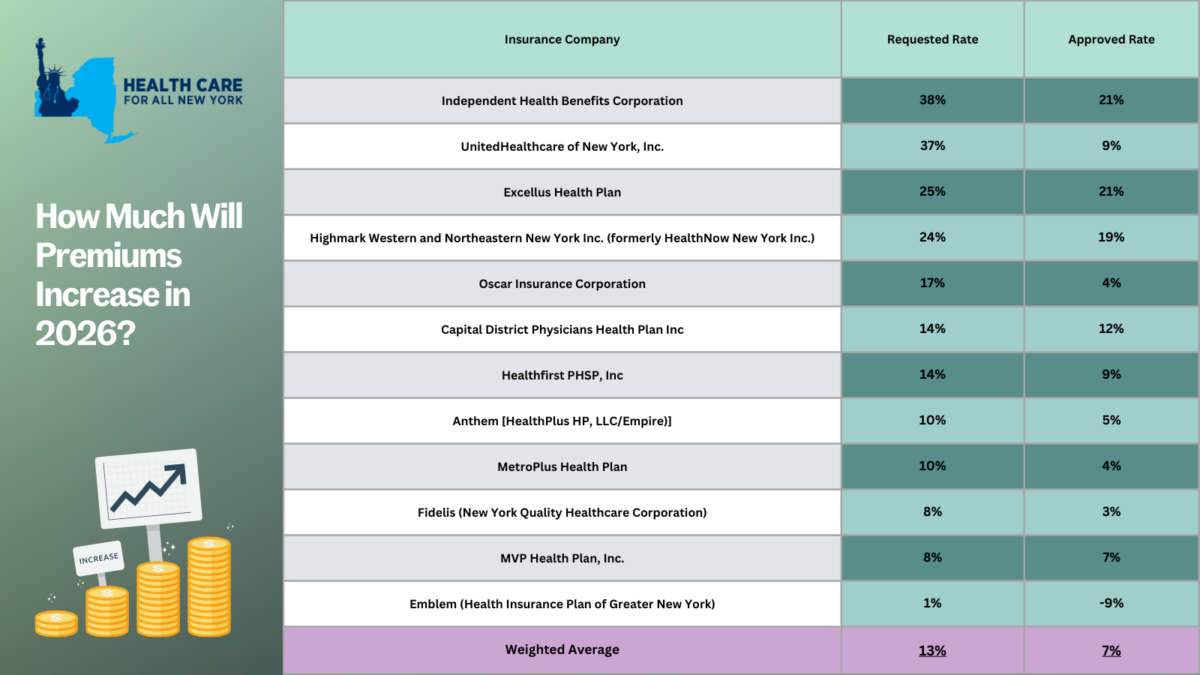
The ACA modifications might create modest additional cost savings or increase primary deficits by, depending on the style. To lower healthcare costs, the strategy would: In current months, the Trump Administration has signed a number of contracts with pharmaceutical business where they concur to set particular drug prices at the low rate used in some other nations, usually for Medicaid.
The strategy requires permitting more pharmaceuticals to be available over-the-counter to customers, instead of needing a prescription. This proposal would likely reduce premiums and federal subsidies in part by making these drug purchases fully out-of-pocket (insurance does not usually cover over the counter drugs) and by reducing doctor's sees associated to getting prescriptions.
Furthermore, it would need all insurance providers to publish clearer info, consisting of "plain English" declarations on rates and coverage, company profits and claims paid, and tallies of turned down claims, amongst other things. Companies and insurance companies would also be needed to respond plainly to concerns about costs.
The ACA modifications could generate modest extra cost savings or increase primary deficits by, depending upon the design. To lower health care expenses, the strategy would: In current months, the Trump Administration has signed several arrangements with pharmaceutical companies where they accept set particular drug costs at the low rate provided in some other countries, generally for Medicaid.
Navigating Medicare Part D Enrollment in 2026
The plan calls for enabling more pharmaceuticals to be available over the counter to consumers, rather than needing a prescription. This proposition would likely minimize premiums and federal subsidies in part by making these drug purchases fully out-of-pocket (insurance coverage does not normally cover over-the-counter drugs) and by reducing medical professional's check outs related to getting prescriptions.
In addition, it would require all insurance providers to publish clearer details, consisting of "plain English" statements on rates and protection, company profits and claims paid, and tallies of declined claims, amongst other things. Providers and insurers would likewise be needed to react plainly to concerns about rates. This extra rate openness could modestly minimize total healthcare costs. Taken together, we estimate these changes are likely to conserve about $50 billion though the actual savings will depend on information.

Latest Posts
Top Medicare Supplement Coverage Comparison Tips
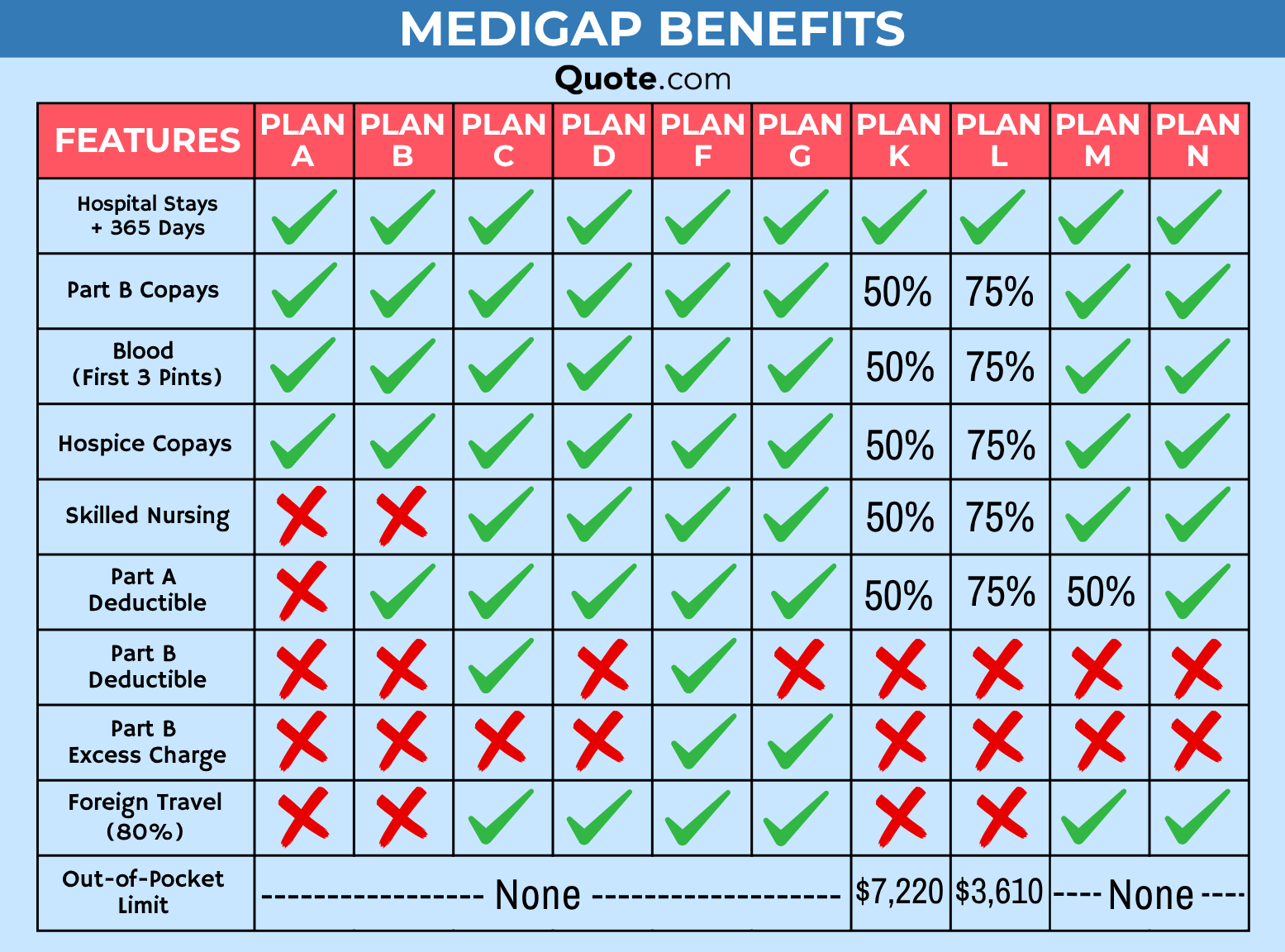
Complete Guide to 2026 Medicare Advantage Enrollment

How to Use IUL for Retirement Planning